
SERVICES
Deck Painting & Staining
Deck painting and staining for Geelong properties with weathered timber, fading colour and worn outdoor living areas.
What Is Deck Painting & Staining?
Deck painting and staining restores the appearance of outdoor timber while adding a protective coating suited to the deck’s condition and intended finish. The painter inspects boards, steps, rails and surrounding timber for loose coatings, grey weathering, surface mould, splinters, stains, cracks and soft areas before preparation begins. Work commonly involves cleaning the timber, removing failed paint or stain, sanding rough sections, treating minor surface imperfections and applying the selected coating to the agreed areas. Painting creates a solid coloured surface, while stain adds colour while leaving the timber grain more visible. Geelong decks face regular sun, rain, damp winters and, in coastal suburbs, wind and salt air that can wear exposed timber faster. Leaving a deck untreated can leave boards dry, rough and more prone to water marks, while peeling coatings make the surface harder to clean. Preparation matters because fresh paint or stain cannot cover loose fibres, mould or failed old coatings properly.
Why Choose C.W. Precision Coatings for Deck Painting & Staining
Painting Experience Since 2016
C.W. Precision Coatings began with a painting apprenticeship in 2016, with the first years spent working solely on new homes. That experience gives the business a practical base for painting timber surfaces from their first finish. It also supports deck projects where boards, rails and nearby exterior elements need consistent preparation and coating work.
Experience Across Different Properties
Work across different sites and with private clients has exposed C.W. Precision Coatings to properties where no two painting jobs look the same. Decks vary in timber type, existing coatings, access, weather exposure and wear. The painter assesses the agreed deck areas before starting, then works through the preparation and finish stages required for that surface.
Thorough Surface Preparation
C.W. Precision Coatings thoroughly prepares all work areas before applying paint or stain. On a deck, this step deals with rough fibres, loose coating, surface dirt and weathered sections that can show through the new finish. The painter prepares the agreed boards, steps, rails and related timber before moving into the selected coating work.
Clean Work Areas and Clear Goals
C.W. Precision Coatings keeps work areas clean and discusses the intended result from start to finish. This suits deck painting and staining because the work often takes place around outdoor furniture, garden beds, doors and entertaining areas. Clear goals help the painter and owner agree on the deck sections, colour direction and finish before coating begins.



What Deck Painting & Staining Covers
Deck painting and staining can cover timber deck boards, steps, handrails, balustrades, posts, screens, built-in seating and attached timber features within the agreed scope. The painter inspects the surface, cleans away dirt and surface growth, removes loose or failed coating, sands rough timber and prepares small defects where suitable. Paint creates an opaque colour across the timber, while stain colours the surface while allowing the grain to remain visible. The work can refresh a complete deck or selected areas that look faded, worn or mismatched. The final scope depends on the deck condition, existing finish and access around the property.
Signs You Need Deck Painting & Staining
Deck painting or staining is due when boards look grey, dry or patchy, or when paint lifts around edges and between boards. You may also notice splinters, rough fibres, black or green surface growth, water marks, faded colour and areas that feel chalky or absorb water quickly. Check steps, rail tops and boards beside garden beds or sprinklers, as damp conditions often affect them first. In Torquay, Ocean Grove, Barwon Heads, Point Lonsdale and Queenscliff, salt air and strong winds can speed up wear on exposed timber. Soft boards, loose fixings or structural movement need repair before coating work starts.
DISCOVER WHAT OUR CUSTOMERS HAVE TO SAY ABOUT US
REVIEWS
REVIEW US ON GOOGLE
our process
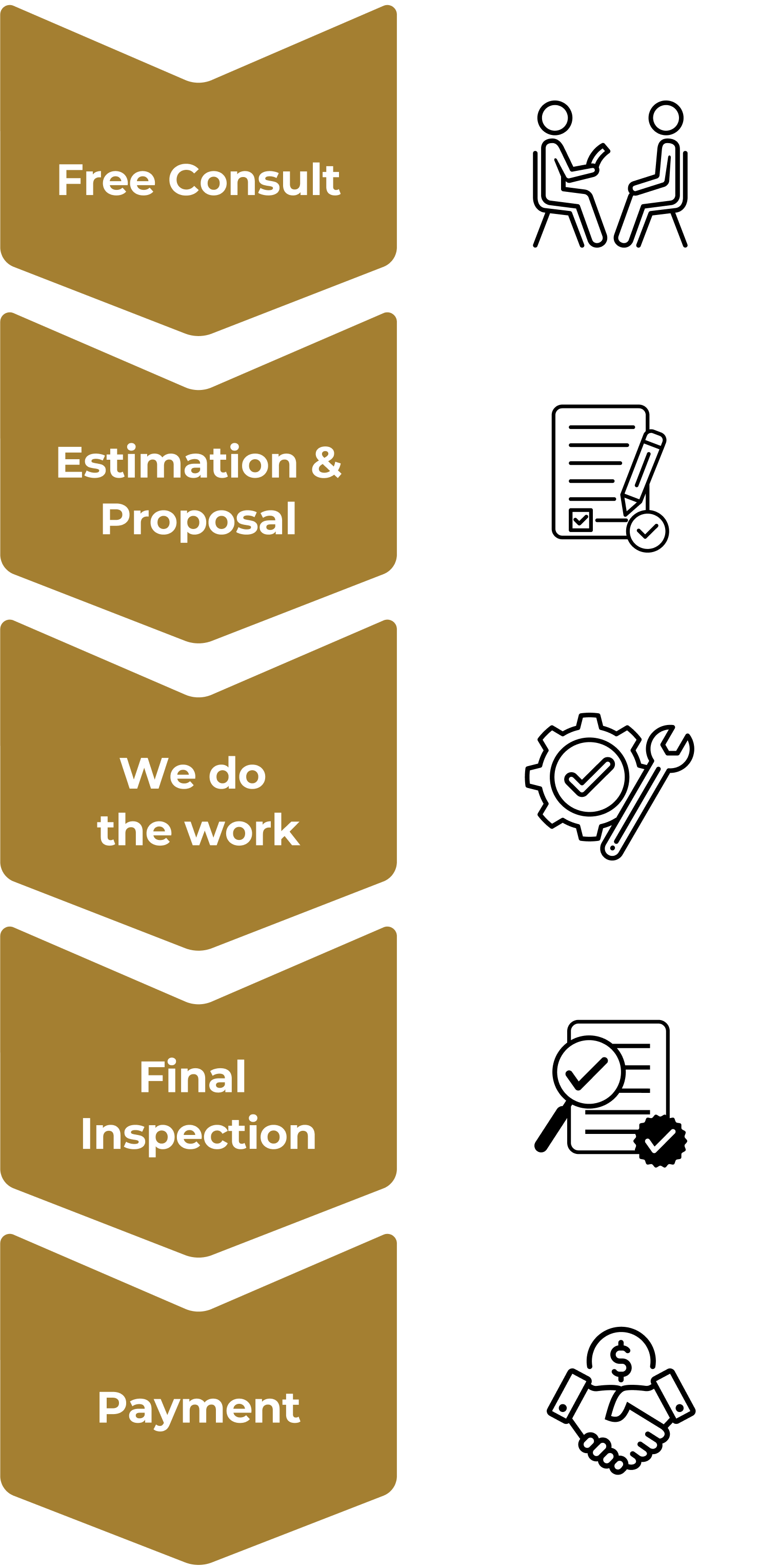
Our process is simple and only contains a few simple steps

frequently asked questions
Is it better to paint or stain a timber deck?
Paint creates an opaque colour that covers most of the timber grain. Stain adds colour while leaving more grain and texture visible. The right option depends on the timber condition, existing coating and appearance you want. A deck with peeling paint or uneven stain needs preparation before either finish can go on.
How should I prepare my deck before painting or staining?
The painter needs a clean, dry deck before painting or staining. Preparation can include removing outdoor furniture, clearing pot plants, trimming vegetation away from timber, cleaning the boards, removing failed coating and sanding rough fibres. The exact steps depend on the timber, the existing finish and the selected coating system.
What causes deck paint or stain to peel?
Mould, dirt, moisture, failed old coating and poor surface preparation can all cause deck paint or stain to peel or wear unevenly. The painter needs to remove loose material and prepare the timber before applying a new finish. Coating over damp, dirty or unstable timber can make the same problem return.
How long should I stay off a newly painted or stained deck?
Drying time depends on the coating system, weather, timber condition and the number of coats. Rain, dew, high humidity and low temperatures can slow drying or affect the finish. Keep foot traffic, furniture and pot plants off the deck until the painter advises that the coating has dried sufficiently for use.
What should I do if my older deck has flaking paint?
Tell the painter if your deck or house dates from before 1970 and old paint looks flaky, powdery or damaged. WorkSafe Victoria notes that older lead-based paint can create lead dust during sanding or removal. The painter needs to assess the surface and follow suitable precautions before preparation begins.
Trusted & Accredited Plumbers


READY TO take the next step?
get a free quote TODAY!

C.W Precision Coatings
23 Mccubbin Drive, Mount Duneed VIC 3217


