
SERVICES
New Home Painting
New home painting for Geelong builds that need carefully prepared walls, ceilings, trims and exterior surfaces before handover.
What Is New Home Painting?
New home painting applies paint to the new plasterboard, ceilings, timber trims, doors, window frames and other finished surfaces in a recently built home. The work usually begins after plastering, fixing and other trades complete the areas that need paint, but before the owner moves in. A painter checks each surface for joint lines, nail pops, dents, gaps and dust, then fills and sands defects before priming and coating the surfaces in the agreed colours and sheen levels. New plaster and timber can absorb paint differently from previously painted surfaces, so the preparation and first coats set the foundation for the final finish. In Geelong, owners building near coastal areas may also need exterior coatings that suit wind, moisture and salt exposure, while internal finishes need to match the rooms, lighting and fittings selected for the build. Leaving painting until late in the construction sequence can create avoidable marking, patching and coordination issues around completed flooring, cabinetry and fixtures.
Why Choose C.W. Precision Coatings for New Home Painting
New Home Painting Experience
C.W. Precision Coatings began with a painting apprenticeship in 2016 and spent the early years working solely on new homes. That background directly suits new home painting, where every room starts with freshly finished surfaces and the painter needs to build a consistent appearance across walls, ceilings, trims and doors before the owners move in.
Experience Across Different Work Sites
The business has worked alongside other painters across a range of work sites before moving into private residential work. New homes require coordination around recently finished areas, fittings and other trades. This experience supports an organised approach to painting new builds, where different rooms and surfaces can require separate preparation and coating stages.
Preparation Before the First Coats
C.W. Precision Coatings prepares all working areas before painting begins. On a new home, this means checking the fresh surfaces before the first coats go on, rather than treating new plaster, timber and trim as ready without preparation. Careful preparation helps the painter address visible defects that can stand out once colour and sheen are applied.
Clear Goals and Clean Work Areas
C.W. Precision Coatings works with clear goals from start to finish and keeps work areas clean throughout the job. For a new home painting project, that gives owners a clear way to discuss the intended look before painting begins. It also supports a tidy work area around newly installed flooring, cabinetry, doors and other finished features.
What New Home Painting Covers
New home painting covers internal walls, ceilings, cornices, skirting boards, architraves, doors, door frames, window frames and selected exterior surfaces where they form part of the build scope. The work includes checking new plasterboard and timber, filling minor defects, sanding joint lines and rough areas, masking adjoining finishes, applying suitable preparation coats and painting the selected colours and sheen levels. The painter can paint standard rooms, feature walls, stairwells, hallways, garages and living areas. The final scope depends on the building plans, the finishes already installed and the surfaces included in the painting work.
Signs You Need New Home Painting
New home painting becomes relevant once plasterboard, cornices, internal doors, trims and other paintable finishes are in place. You may see exposed plasterboard, joint compound, nail heads, uncoated timber, raw door frames or patches after fixing work. Look for dents, sanding marks, gaps along trims, uneven joins and dust before the painter applies colour. Fresh paint can make these defects more obvious if the painter skips preparation. In coastal Geelong, bare exterior timber, cladding and metal can also face wind, rain and salt while the build reaches completion. Plan painting before owners move furniture into the home.
DISCOVER WHAT OUR CUSTOMERS HAVE TO SAY ABOUT US
REVIEWS
REVIEW US ON GOOGLE
our process
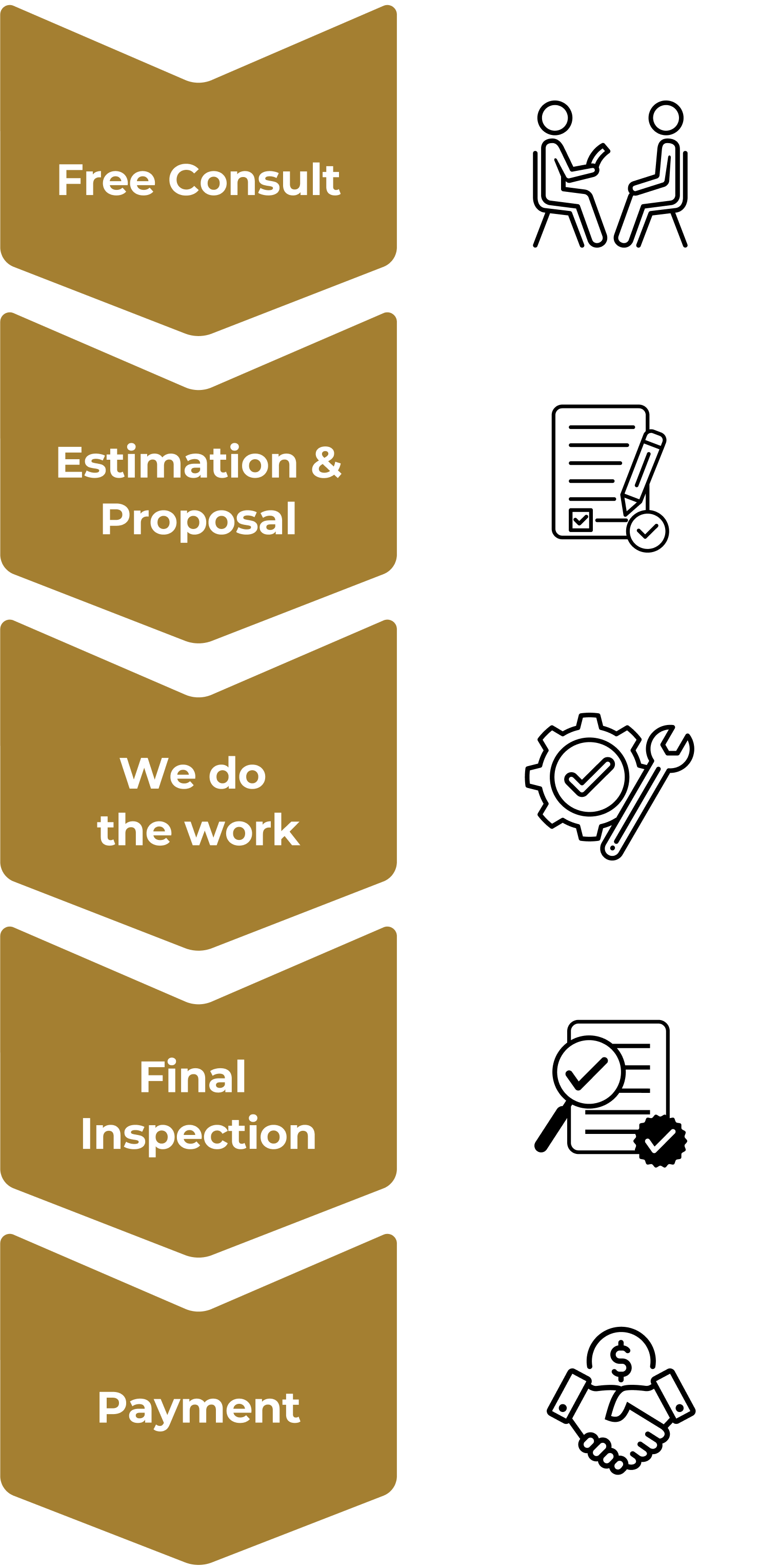
Our process is simple and only contains a few simple steps

frequently asked questions
When should new home painting happen?
Painting normally starts after plaster, cornices, doors, trims and other paintable elements are in place, and after workers finish dusty cutting work. The painter needs clean, dry surfaces and clear access. Good scheduling lets painting occur before furniture moves in and helps protect finished walls, ceilings and trims from later trade damage.
Do newly plastered walls need primer before painting?
Most new plasterboard and other unpainted surfaces need a suitable preparation coat before the final paint system. Primers and sealers help create a sound base for topcoats and can improve coverage. The painter checks the specific surface, its condition and the selected coating system before choosing the right preparation steps.
What does a painter check before painting a new home?
A painter checks walls, ceilings, trims, doors and frames for dents, gaps, sanding scratches, rough joint lines, nail pops, dust and damage from other trades. The painter then fills and sands the defects within the agreed scope. This check matters because fresh paint can draw attention to uneven plaster and timber rather than hide it.
Do I need to confirm paint colours before a new home is painted in Victoria?
Yes. Confirm colour names, sheen levels, feature walls and the elements included in the paint scope before work begins. Victorian domestic building contracts should identify the plans and specifications for the work, and owners and builders should document agreed changes. Clear selections help avoid confusion between rooms, trims, doors and external features.
How is new home painting different from repainting?
A repaint starts with existing coatings that may need cleaning, repair or removal. New home painting starts with newly completed plasterboard, timber and trims that need checking and preparation before the first finish coats. New builds also require careful timing around flooring, cabinetry, electrical fittings and the final stages of construction.
Trusted & Accredited Plumbers


READY TO take the next step?
get a free quote TODAY!

C.W Precision Coatings
23 Mccubbin Drive, Mount Duneed VIC 3217


