
SERVICES
Renovation & Extension Painting
Painting for Geelong renovations and extensions that need new and existing spaces to look consistent.
What Is Renovation & Extension Painting?
Renovation & extension painting refreshes existing rooms and finishes new areas so the old and new parts of a home read as one. The work can include walls, ceilings, trims, doors, window frames, plaster repairs and exterior areas connected to the build. Before painting starts, the painter checks the condition of old coatings, new plaster, timber and repaired surfaces. Preparation can involve cleaning, filling minor holes and cracks, sanding rough patches, masking nearby finishes and applying preparation coats where required. Homeowners often book this work after builders remove walls, add rooms, update kitchens or bathrooms, replace windows, or repair water-damaged plaster. Leaving painting until too late can make it harder to protect new flooring, cabinetry and fittings, while rushed preparation can leave patch lines, uneven sheen and colour differences visible. For Geelong homes, renovation painting also helps bring weathered exterior sections and new additions into a consistent finish before occupants move back into the completed spaces.
Why Choose C.W. Precision Coatings for Renovation & Extension Painting
New Home Painting Background
C.W. Precision Coatings started with a painting apprenticeship in 2016 and spent the early years painting new homes. That foundation suits renovation and extension work because new plaster, timber trims and fresh additions need the same close attention before painters connect them with the older parts of the home.
Experience Across Different Properties
C.W. Precision Coatings has worked across different sites and with private clients, where no two painting jobs follow the same pattern. Renovations and extensions often join surfaces of different ages, materials and conditions. This experience supports a practical approach to checking each room, transition and selected surface before paintwork begins.
Thorough Surface Preparation
C.W. Precision Coatings thoroughly prepares all areas before painting begins. Renovation work often leaves repaired plaster, former wall lines, new trims and patched sections that fresh paint can highlight. The painter prepares the agreed surfaces first, giving the selected paint finish a sound base across both existing rooms and newly added spaces.
Clean Work Areas and Clear Goals
C.W. Precision Coatings keeps work areas clean and explains the goals for each job from start to finish. This matters during renovation and extension painting, where owners may have new cabinetry, flooring, fixtures or furniture close to the work. Clear discussions help keep the painting scope focused on the areas and finish the client wants.
What Renovation & Extension Painting Covers
Renovation & extension painting covers the paintable surfaces affected by building changes, repairs and new rooms. This can include internal walls, ceilings, cornices, skirtings, architraves, doors, window frames, new plasterboard, repaired plaster and selected exterior sections around an addition. The painter checks the old and new surfaces, cleans them, fills minor defects, sands rough areas and masks adjoining finishes. Preparation coats may go on bare, repaired or stained sections before the final colour and sheen coats. The work can refresh one altered room or bring several renovated and extended areas into a consistent finish.
Signs You Need Renovation & Extension Painting
You may need renovation and extension painting when new plasterboard, exposed joint compound, raw timber trims or unpainted frames remain after building work. Look for patchy repairs, nail pops, visible former wall lines, sanding scratches, uneven joints and different paint sheen between old and new areas. Water stains, peeling paint, mould marks or cracked plaster need attention before repainting. A new room can look disconnected when its wall colour, trim colour or finish differs from the rest of the home. Around Geelong’s coastal suburbs, inspect exposed exterior joins, trims and new cladding for fading, salt residue and moisture marks.
DISCOVER WHAT OUR CUSTOMERS HAVE TO SAY ABOUT US
REVIEWS
REVIEW US ON GOOGLE
our process
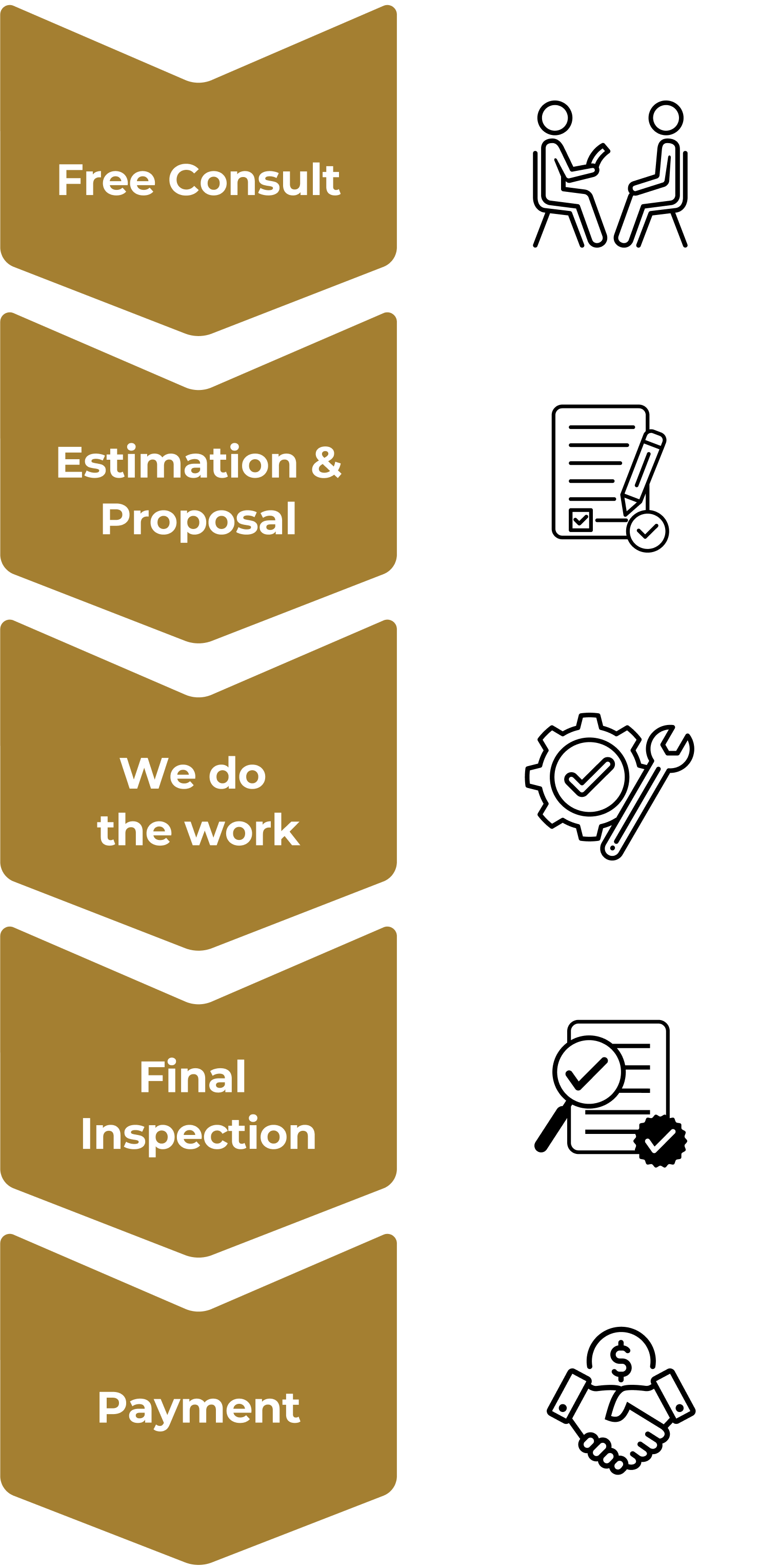
Our process is simple and only contains a few simple steps

frequently asked questions
When should painting happen during a home renovation or extension?
Painting should happen after plastering, carpentry, electrical and plumbing rough-ins, and other dusty work finishes in the relevant rooms. The painter needs dry, clean surfaces and clear access. Plan the painting before final furniture moves in, and protect completed cabinetry, floors and fixtures while work takes place.
Can a painter match new paint to the existing parts of my home?
A painter can work with the existing colour scheme and discuss where colour changes should stop between new and old areas. Existing paint may have faded or changed over time, so an exact visual match is not always possible. Testing colours and deciding whether to repaint connected walls can reduce obvious differences.
Do cracks and patch repairs need fixing before painting?
Yes. Painting over cracks, dents, old wall lines or rough patching can make them more noticeable, especially under natural light or with a higher sheen finish. The painter checks the surfaces in scope, fills minor defects and sands repaired sections before applying the preparation and finish coats.
What should I do about old paint before renovating an older house?
Tell the painter if the home or affected room dates from before 1970, particularly when paint looks flaky, chalky or damaged. Older coatings can contain lead, and sanding or scraping can release lead dust. WorkSafe Victoria advises controls for lead-based paint removal, including suitable containment and clean-up practices.
Do I need a building permit for painting as part of an extension?
Painting alone does not usually require a major domestic building contract in Victoria, but an extension can require building or planning approval depending on its scope. Confirm permit requirements with the builder or building surveyor before the project starts, then schedule painting within the wider construction program.
Trusted & Accredited Plumbers
READY TO take the next step?
get a free quote TODAY!

C.W Precision Coatings
23 Mccubbin Drive, Mount Duneed VIC 3217


