
BLOG
What Homeowners Should Know About Surface Preparation and Australian Painting Standards Before Repainting a Home
Repainting a home involves much more than selecting colours and applying fresh coats of paint. The quality and longevity of the finished result depend on how surfaces are prepared, the products that are chosen and whether recognised industry standards are followed throughout the project.
For homeowners in Geelong and surrounding areas, understanding the principles behind Australian painting standards can help set realistic expectations and explain why preparation often takes as much time as the painting itself.
Australian Standards Focus on Preparation as Much as Painting
One of the key documents used within the painting industry is AS/NZS 2311: Guide to the Painting of Buildings. Rather than specifying a single method for every project, the standard provides guidance on selecting suitable coating systems, assessing existing surfaces and preparing different building materials before painting.
The standard recognises that no two homes are identical. A newly built home requires a different approach to an older weatherboard property that has been repainted several times over the years.
Preparation methods are based on factors such as:
The condition of the existing paint
The type of substrate, including timber, plaster, masonry or metal
Previous coating systems
Exposure to weather and environmental conditions
Moisture levels and signs of deterioration
Following these principles helps create a surface that allows primers and top coats to bond properly and perform as intended.
Surface Preparation Determines How Well Paint Performs
A fresh coat of paint can only adhere to the surface beneath it. If that surface is unstable, contaminated or damaged, the coating above it is far more likely to fail.
Preparation usually involves a combination of cleaning, scraping, sanding, filling and priming.
Loose or peeling paint must be removed before repainting. Applying new coatings over unstable paint often results in the same peeling occurring again, sometimes within a relatively short period.
Hairline cracks, nail holes and minor surface defects should also be repaired before painting begins. These imperfections become more noticeable after painting, particularly when semi gloss or gloss finishes are used.
Exterior surfaces require additional attention where mould, mildew or salt contamination is present. Around Geelong's coastal suburbs, airborne salt can gradually build up on walls and timberwork, making proper washing an important part of the preparation process.
Different Building Materials Need Different Paint Systems
One of the common misconceptions about house painting is that the same products can be applied across every surface.
In reality, each building material has different characteristics and requires compatible primers and coatings.
Timber expands and contracts naturally with seasonal temperature and moisture changes. Paint systems need enough flexibility to accommodate this movement without cracking.
Rendered walls require coatings that can cope with slight substrate movement while maintaining weather resistance.
Metal surfaces often require specialised primers that help protect against corrosion before finishing coats are applied.
Previously painted plasterboard may only require light sanding and cleaning if the existing coating remains sound.
Selecting products that suit the substrate is just as important as selecting the right colour.
Environmental Conditions Influence Coating Performance
The local environment has a direct impact on how exterior paint ages.
Homes throughout Geelong experience varying conditions depending on their location. Coastal areas such as Torquay, Ocean Grove and Barwon Heads receive greater exposure to salt-laden air and strong coastal winds, while inland suburbs may experience greater temperature fluctuations during summer.
Ultraviolet radiation gradually breaks down paint binders over time, particularly on north and west-facing walls that receive prolonged sunlight.
Moisture also affects performance. Shaded areas that remain damp for extended periods are more likely to develop mould or mildew, while poor drainage around the home may expose lower wall sections to persistent moisture.
Australian painting guidance encourages selecting coating systems that match these environmental conditions rather than relying on a single product for every situation.
A Professional Finish Is Built Layer by Layer
Many people judge a painting project by its final appearance, but the visible finish is only one part of the complete coating system.
Each stage contributes to the final result:
Cleaning removes contaminants that interfere with adhesion.
Repairs create a smooth and stable surface.
Sanding improves the bond between old and new coatings.
Primers seal porous materials and provide a suitable foundation.
Finishing coats deliver colour, durability and weather protection.
Skipping or reducing any of these stages can affect both appearance and long-term performance.
While homeowners naturally focus on colour selection, much of the durability of a painted surface is determined before the first finishing coat is applied.
Understanding the role of Australian painting standards and proper preparation provides a clearer picture of what goes into a quality repaint. Whether a home is located in central Geelong or along the nearby coastline, selecting suitable coating systems and preparing every surface correctly helps achieve a finish that protects the home while maintaining its appearance for many years.
DISCOVER WHAT OUR CUSTOMERS HAVE TO SAY ABOUT US
REVIEWS
REVIEW US ON GOOGLE
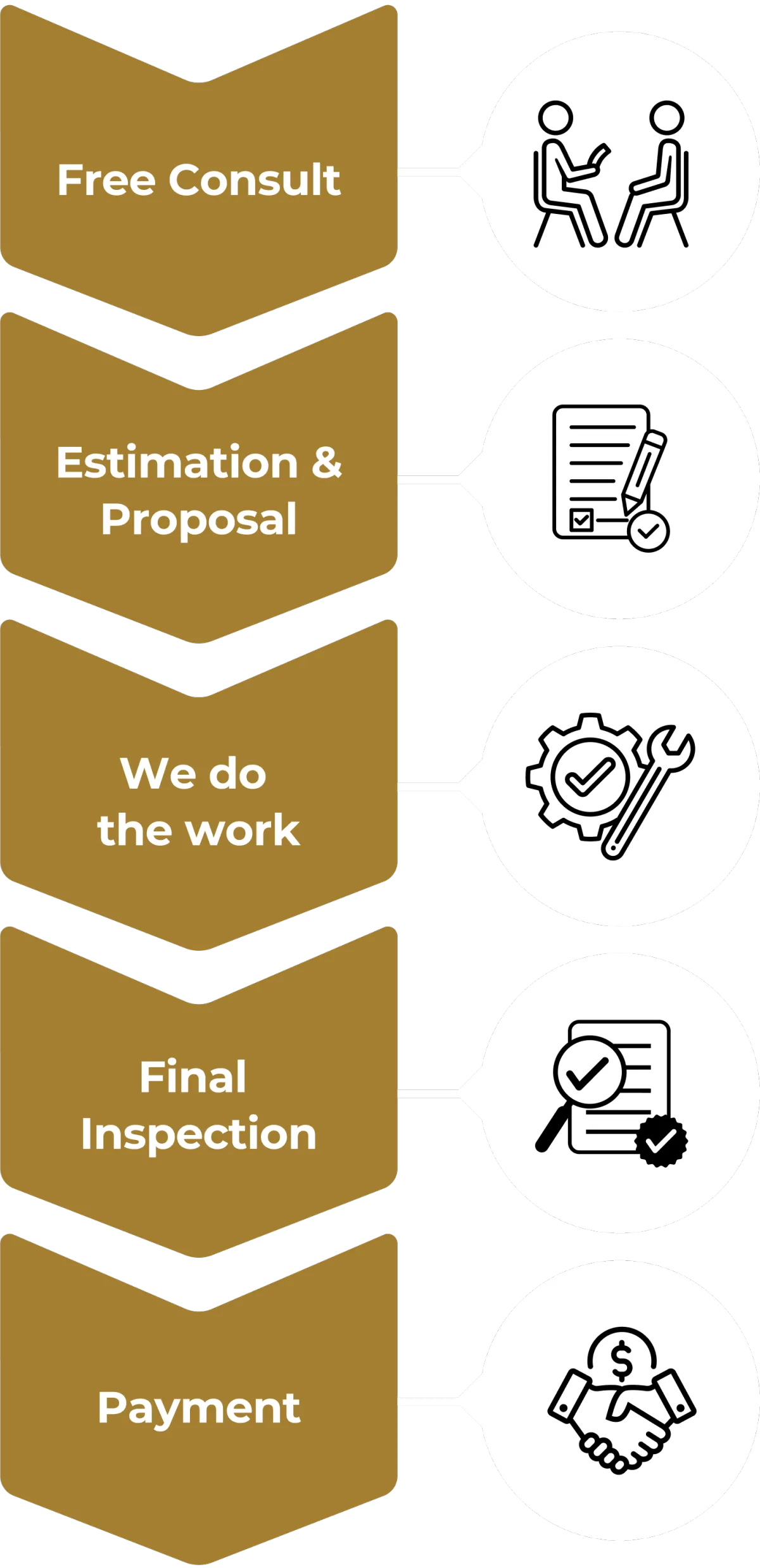
our process
Our process is simple and only contains a few simple steps

READY TO take the next step?
get a free quote TODAY!

C.W Precision Coatings
23 Mccubbin Drive, Mount Duneed VIC 3217


