
BLOG
Why Thorough Surface Preparation Is the Most Important Step Before Any House Painting Project in Geelong
A quality paint finish begins long before the first coat is applied. Surface preparation is the foundation of every successful painting project, influencing how well the paint adheres, how smooth the finished surface appears and how long the coating continues to perform.
In Geelong, homes are exposed to a mix of inland and coastal conditions. Properties near the coast may experience salt-laden air and higher humidity, while older homes throughout established suburbs often have weathered timber, cracked render or previously painted surfaces that require additional preparation. Understanding what is involved before painting begins helps homeowners appreciate why preparation is never a step that should be rushed.
Every Surface Requires a Different Preparation Method
No two painting projects are exactly the same because building materials age differently and respond differently to weather.
Previously painted plaster walls usually require cleaning, filling minor imperfections and sanding to remove rough patches before new paint is applied. If the existing coating is flaking or peeling, loose paint must be removed to provide a stable surface.
Timber weatherboards often require more extensive preparation. Loose coatings need to be scraped back, bare timber may require sanding and suitable primers are applied before top coats. Areas affected by moisture or timber movement may also need repairs before painting can begin.
Rendered and masonry surfaces should be checked for cracks, chalking or signs of moisture intrusion. Painting over damaged render without addressing the underlying issue may result in recurring defects beneath the new coating.
Preparation methods should always suit the material being painted rather than following the same process across every surface.
Cleaning Is More Important Than Many Homeowners Realise
One of the most overlooked stages of preparation is thorough cleaning.
Dust, grease, cobwebs, mould, salt deposits and airborne contaminants can all reduce paint adhesion. Even when a surface appears clean, invisible residues may prevent primers and top coats from bonding properly.
This is particularly relevant for homes around Geelong, Torquay, Barwon Heads and other coastal areas where salt carried by sea breezes gradually settles onto exterior walls. Washing these surfaces before painting helps remove contaminants that could otherwise shorten the life of the paint system.
Interior surfaces also collect cooking residue, smoke particles and household oils over time, especially in kitchens and around light switches, making proper cleaning an essential part of preparation.
Repairing Defects Before Painting Creates a Better Finish
Paint is designed to protect and decorate surfaces, not hide structural defects.
Cracks in plaster, dents in timber, nail holes and uneven repairs often become more noticeable after painting, particularly when higher sheen finishes are used. Taking the time to fill, sand and smooth these imperfections produces a more consistent appearance once the project is complete.
Exterior surfaces should also be inspected for deteriorated sealants around windows, damaged timber, loose boards and gaps where water could enter. Addressing these issues before painting helps protect the building as well as improve the finished appearance.
In some situations, replacing damaged materials is a better option than simply painting over them.
Primers Play a Critical Role in Paint Performance
Primer is not simply an extra coat of paint. It performs a specific function by improving adhesion, sealing porous materials and creating a uniform surface for finishing coats.
Different primers are formulated for different substrates. Bare timber, previously painted surfaces, masonry and metal all require products suited to their individual characteristics.
Primers can also help block stains caused by water damage, tannins in timber or previous smoke exposure. Without the correct primer, these stains may continue to show through new paint even after several finishing coats.
Australian Standard AS/NZS 2311 provides guidance on selecting coating systems and preparation methods suitable for different building materials and environmental conditions, recognising that preparation is fundamental to coating performance.
Preparation Helps Paint Last Longer
A properly prepared surface allows paint to bond more effectively, reducing the likelihood of premature peeling, blistering or flaking.
In Geelong's climate, exterior coatings regularly experience ultraviolet exposure, rain, changing temperatures and occasional coastal moisture. When preparation has been carried out correctly, paint systems are better able to cope with these conditions over their expected lifespan.
Well-prepared interior surfaces are also easier to maintain because paint cures evenly and develops a more durable finish that withstands routine cleaning and everyday household use.
Although preparation can take a significant portion of the overall project, it often determines whether a paint finish continues looking good for many years or begins showing defects much sooner than expected.
Careful cleaning, repairs, sanding and priming may not be the most visible parts of a painting project, but they remain the foundation of every durable and professional result.
DISCOVER WHAT OUR CUSTOMERS HAVE TO SAY ABOUT US
REVIEWS
REVIEW US ON GOOGLE
our process
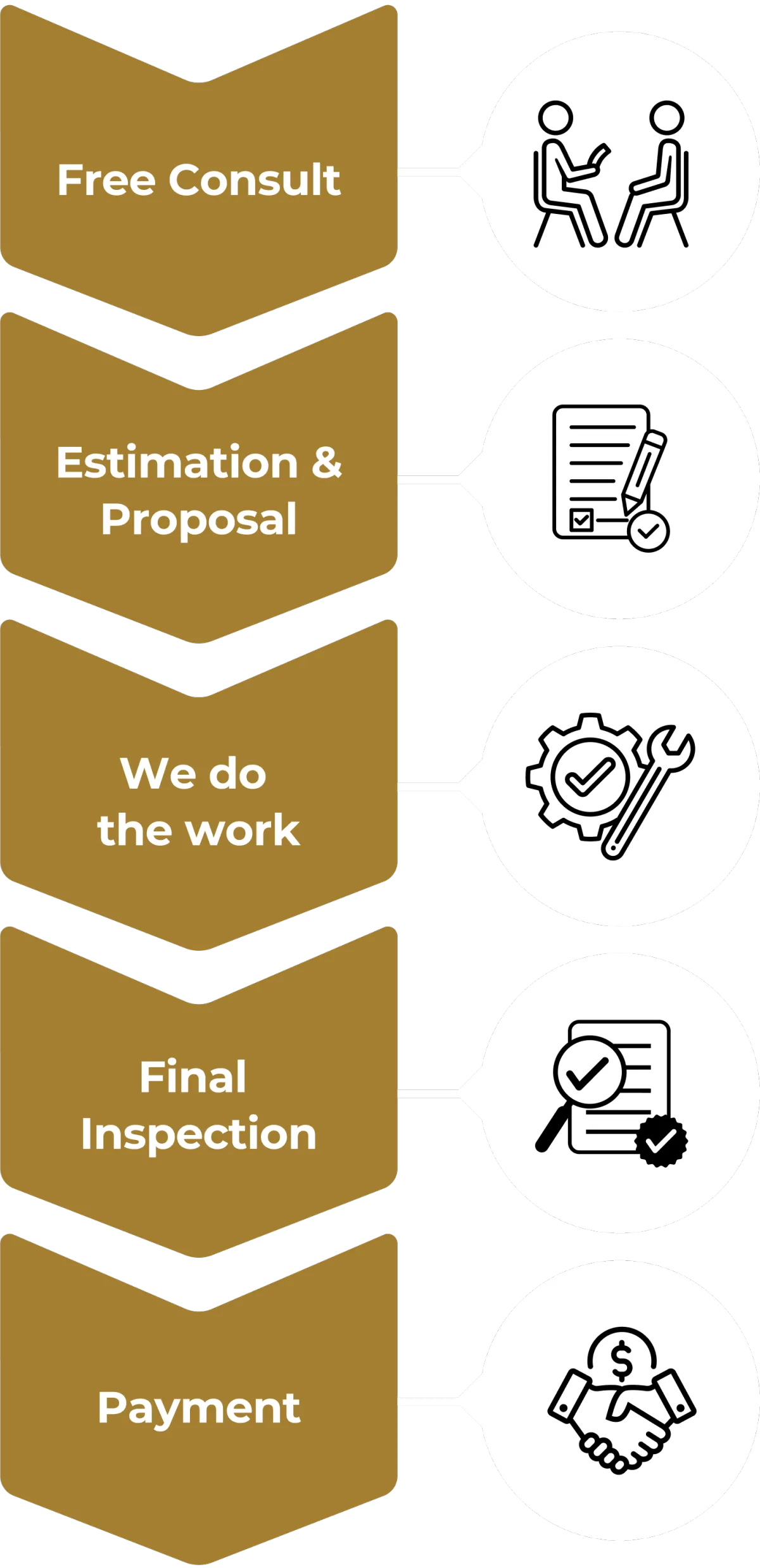
Our process is simple and only contains a few simple steps

READY TO take the next step?
get a free quote TODAY!

C.W Precision Coatings
23 Mccubbin Drive, Mount Duneed VIC 3217


